Whenever there's trouble, anywhere in the world, the book becomes an item; when things quiet down, the books drops out of sight; when there's trouble again, the people who forgot remember. When fascist-type regimes seize power, it's always on the short list of books to burn. When people dream of resistance it provides music for their dreams.
If you are grow up, and attuned to a world full of complexity and ambiguity, you may find that Marx fits you better than you thought.
The crucial factor for belonging to the working class is not working in a factory, or working with hands, or being poor. The crucial reality is the need to sell your labor to capital in order to live, the need to carve up your personality for sale - to look at yourself in the mirror an think, "What have I got that I can sell?" - and an unending dread and anxiety that even if you're OK today, you won't find anyone who wants to buy what you have or what you are tomorrow, that the changing market will declare you (as it has already declared so many) worthless, that you will find yourself physically as well as metaphysically homeless and out in the cold.
One reason for Marx's long-range faith in the working class is that lots of the people in this class don't know it. Many are the people who fill up the huge office buildings in all our downtowns. They wear elegant suits and return to nice houses, because there is a great demand for their labor right now, and they are doing well. They may identify happily with the owners of capital, and have no idea how contigent and fleeting their benefits are. They may not discover who they really are, and where they belong, until they are laid off or fired - or deskilled, or outsourced, or downsized. And other workers, lacking diplomas, not dressed so nicely, working in cubicles, not offices, may not get the fact that many of the people who boss them around are really in their class, and share their vulnerability.
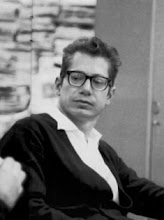
Marshall Berman


![[...]](https://blogger.googleusercontent.com/img/b/R29vZ2xl/AVvXsEjeNC2Kyxd34r2LuofHe9-vdXHeHwG3_2NhVmIOTlK2moU0Q4R7taMlS8iMmQgEl1-NdaRsPrLdREzfQZYKfUgjslwLZUZe67dAfFBREu-YRx6WGX-vAUt5eJT4_-lFwT4dGzGCQQ/s220/11798115_858304687558226_1857652538_n.jpg)