When he describes capitalist society, Marx is constantly making the point that everything in it is under "illusions of the epoch", is dominated by "fetishism", and hence is unfree-except, of course, for the "fully conscious" revolutionary group. "As in religion, man is governed by the products of his own brain, so in capitalist production, he is governed by the products of his own hand". The freedom Marx has given with one hand he seems to be taking back with the other; everywhere he looks, everyone seems to be in chains. Yet if men are "free", how is it possible for them to have got into such a state of "unfreedom" in the first place? Or, alternately, if men are encased in a fly-bottle, how will it be possible for then to see things in any way but through a glass, darkly? If their whole outlook on life is "fetishistic", how will be possibel even to recognize that they are enslaved, let alone make the effort to set themselves free? The paradox here is the familiar paradox of self-deception. Who, exactly, is supposed to be doing the "deceiving"? If the subject himself, in what sense is it meaningful to say that he is actually "deceived"? If it is meaningful, how, once having suceeded, can he undo the job, and "undeceive" himself? These are perennial problems for a therapist, not to mention a philosopher; they are also central to Marx's analysis of capitalism as an "infantile disease", he might have said, of man, who with its passing was "comming into his own".


[...]
![[...]](https://blogger.googleusercontent.com/img/b/R29vZ2xl/AVvXsEjeNC2Kyxd34r2LuofHe9-vdXHeHwG3_2NhVmIOTlK2moU0Q4R7taMlS8iMmQgEl1-NdaRsPrLdREzfQZYKfUgjslwLZUZe67dAfFBREu-YRx6WGX-vAUt5eJT4_-lFwT4dGzGCQQ/s220/11798115_858304687558226_1857652538_n.jpg)
OSCAR KOKOSCHKA
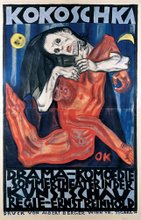
Pietà
Fuck Off!
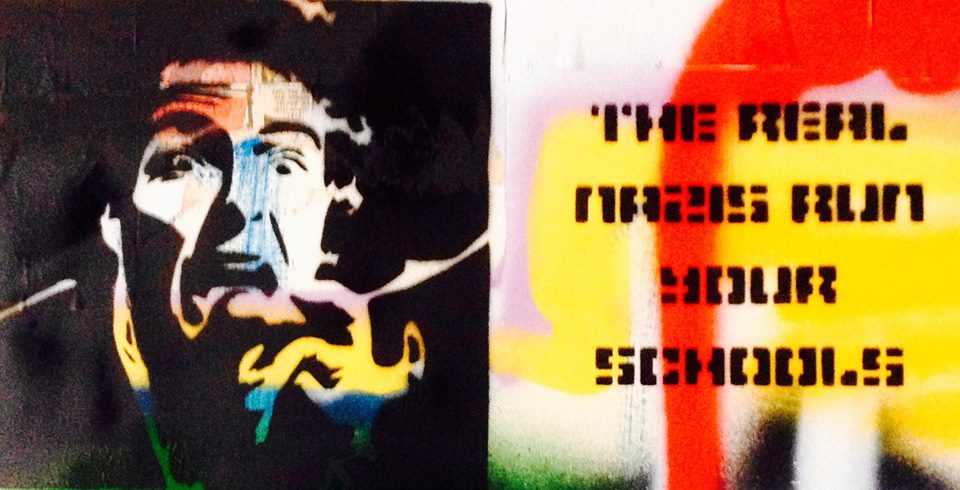
Burn lots of books so they can feed you their lies
Lixo e purpurina

Escuta aqui, cara, tua dor não me importa. Estou cagando montes pras tuas memórias, pras tuas culpas, pras tuas saudades. As pessoas estão enlouquecendo, sendo presas, indo para o exílio, morrendo de overdose e você fica aí pelos cantos choramingando o seu amor perdido. Foda-se o seu amor perdido. Foda-se esse rei-ego absoluto. Foda-se a sua dor pessoal, esse seu ovo mesquinho e fechado.
I, etcetera

Uma paisagem não exige sua "compreensão", suas imputações de significado, suas angústias e suas simpatias; ao contrário, requer sua ausência, solicita que ele não acrescente nada a isso.
Cavaquinho & Saxofone

O literato nunca chamava a coisa pelo nome. Nunca. Arranjava sempre um meio de se exprimir indiretamente. Com circunlóquios, imagens poéticas, figuras de retórica, metalepses, metáforas e outras bobagens complicadíssimas. Abusando. Ninguém morria: partia para os páramos ignotos. Mulher não era mulher. Qual o quê. Era flor, passarinho, anjo da guarda, doçura desta vida, bálsamo de bondade, fada, o diabo. Mulher é que não. Depois a mania do sinônimo difícil. A própria coisa não se reconhecia nele. Nem mesmo a palavra. Palavra. Tudo fora da vida, do momento, do ambiente. A preocupação de embelezar, de esconder, de colorir. Nada de pão pão, queijo queijo. Não senhor. Escrever assim não é vantagem. Mas pão epílogo tostado dos trigais dourados, queijo acompanhamento vacum da goiabada dulcífica, sim. É bonito. Disfarça bem a vulgaridade das coisas. Canta nos ouvidos. E é anástico, absolutamente anástico. Tem sobretudo essa qualidade. O literato não se contentava em exclamar: Como cheiram as magnólias! Não. As magnólias eram capazes de se ofender com tanta secura. E ele então acrescentava poeticamente: Flores de carne, seios de virgem. Pronto. As magnólias já não tinham direito de se queixar.
Do bom uso da liberdade

Em suma, gostaria que um livro não se atribuísse a si mesmo essa condição de texto ao qual a pedagogia ou a crítica saberão reduzi-lo, mas que tivesse a desenvoltura de apresentar-se como discurso: simultaneamente batalha e arma, conjunturas e vestígios, encontro irregular e cena repetível.
A náusea

Não sou uma virgem nem padre para brincar de alma interior.
Prévert
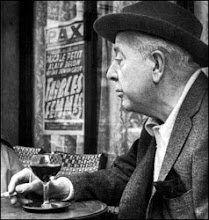
Diante da porta da fábrica/ O trabalhador súbito pára/ O dia lindo o puxa pela roupa/ E como ele se volta/ E olha o sol/ Tão rubro tão redondo/ Sorrindo no seu céu de chumbo/ Dá uma piscada/ Familiar/ Diz então camarada Sol/ Não achas que é/ Uma grande idiotice/ Dar um dia como este/ A um patrão?
O nome do bispo
Este homem maduro, próximo dos cinquenta, sofre de um mal ridículo, uma pequena infâmia que se desenvolveu sorrateiramente à margem de sua consciência, nos cômodos inferiores do seu corpo e que até então merecera dele, Heládio, não mais que uma meia atenção, ociosa e ocasional. Isso até perto de um mês quando subitamente ela, então plenamente desenvolvida, instalou-se no centro de seus pensamentos, afastando, por meio de sucessivas contrações de dor, cada vez mais frequentes, o imenso e espraiado universo daquilo que a linguagem cotidiana convencionou chamar "vida interior" mas que nada mais é senão o próprio mundo debruçado sobre o homem, estreitado nos limites pulsantes do tecido vivo. Em Heládio este estreitamento do mundo (ele mesmo, afinal), adquiriu - por meio da sensibilidade ganha na doença - uma consciência muito aguda de sua natureza duplicada. Se por meio do ânus (um outro conduto) e de tudo que a ele sempre se ligou, tinha ocorrido até então, sem maiores problemas, uma forma partcular de interiorização-exteriorização de caráter muito local que, sendo o próprio Heládio, ainda assim a ele se acrescentava - isto só agora se fazia perceptível. Como Heládio está padecendo de uma fissura anal, a pequena estúpida ferida aberta, o nítido corte, tumultua e trunca, não apenas esta como todas as outras formas de acordo que até então vem ele mantendo com o mundo.
Merda Dream
você gastou tempo e perícia/ pra que eu ficasse apaixonado/ mas tropeçou em tanta astúcia/ e seu charme piscou o olho errado// depois fumou todo o meu cigarro/ roubou meu isqueiro roubado/ bateu a porta e o carro/ e eu continuei ali sentado// outro dia chegou pelo correio/ sua orelha e um pulso cortado/ meu bem, te reconheci pelo cheiro/ mas não fiquei preocupado// só saí e comprei um revólver –/ baby, eu não queria andar armado/ mas sua estupidez não lhe deixa ver/ que eu não quero ser seu namorado
Mandrix

Como você anda louca,/ tem cada ideia, essa não!/ Afasta de mim esta boca,/ não me corta a curtição./ Começou já se ralou,/ quem mandrica se futrica./ Te avisei, se recomponha,/ veja se não atrapalha./ Ixprimenta esta maconha,/ leva te volta esta tralha./ A espingarda de caça,/ a tal navalha sem jaça,/ o revólver, o facão,/ o cianeto, o raticida,/ as bolinha colorida,/ isso já é gozação,/ como você anda louca! O meu signo diz vida,/ e muita vida, não pouca./ Vai. Me mixou o desejo/ esta de o último beijo.
um sorvetinho?
... só posteriormente, refletindo sobre o que é raiva e observando que ela encerra uma certa avalição (negativa) do outro, que concluo: afinal, a raiva é um pensamento, estar com raiva é pensar que o outro é detestável e esse pensamento, como todos os outros, não podem residir em nenhum fragmento de matéria. Ela é, portanto, espírito. Posso perfeitamente refletir assim, mas a partir do momento em que me volto para a experiência propriamente dita da raiva que motiva minha reflexão devo confessar que ela não estava fora do meu corpo, não era animada de fora, mas estava inexplicavelmente nele.
ininstantes
a morte nos fez uma falseta/ mas não pensem que isto é um poema/ só porque estou cortando as linhas/ como faziam os poetas/ isto é apenas uma conversa no deserto
O queijo e os vermes

Na Inquisição católica, na evangelização protestante, está presente o intuito de eliminar o Outro (lembremos que em português esse é um dos termos para designar... o diabo).
Unamuno

O solitário leva uma sociedade inteira dentro de si: o solitário é multidão. E daqui deriva a sua sociedade. Ninguém tem uma personalidade tão acusada como aquele que junta em si mais generalidade, aquele que leva no seu interior mais dos outros. O génio, foi dito e convém repeti-lo frequentemente, é uma multidão. É a multidão individualizada, e é um povo feito pessoa. Aquele que tem mais de próprio é, no fundo, aquele que tem mais de todos, é aquele em quem melhor se une e concentra o que é dos outros. (...) O que de melhor ocorre aos homens é o que lhes ocorre quando estão sozinhos, aquilo que não se atrevem a confessar, não já ao próximo, mas nem sequer, muitas vezes, a si mesmos, aquilo de que fogem, aquilo que encerram em si quando estão em puro pensamento e antes de que possa florescer em palavras. E o solitário costuma atrever-se a expressá-lo, a deixar que isso floresça, e assim acaba por dizer o que todos pensam quando estão sozinhos, sem que ninguém se atreva a publicá-lo. O solitário pensa tudo em voz alta, e surpreende os outros dizendo-lhes o que eles pensam em voz baixa, enquanto querem enganar-se uns aos outros, pretendendo acreditar que pensam outra coisa, e sem conseguir que alguém acredite.
Sobre a leitura

Se o gosto pelos livros cresce com a inteligência, seus perigos, como vimos, diminuem com ela. Um espírito original sabe subordinar a leitura à sua atividade pessoal. Ela não é para ele senão a mais nobre das distrações, sobretudo a mais enobrecedora, pois, somente a leitura e o saber dão as "belas maneiras" do espírito. O poder de nossa sensibilidade e de nossa inteligência, não podemos desenvolvê-lo senão em nós mesmos, nas profundezas de nossa vida espiritual. Mas é nesse contato com os outros espíritos, contanto a leitura, que se faz a educação das "maneiras" do espírito.
O menino e o passarinho
Outro dia vi uma linda mulher, e senti um entusiasmo grande, uma vontade de conhecer mais aquela bela estrangeira: conversamos muito, essa primeira conversa longa em que a gente vai jogando um baralho meio marcado, e anda devagar, como a patrulha que faz um reconhecimento. Mas por que, para que, essa eterna curiosidade, essa fome de outros corpos e outras almas?
Trópico de capricórnio

Tudo quanto acontece, quando é significativo, tem a natureza de uma contradição. Até quando chegou aquela para quem isto é escrito, eu imaginava que em algum lugar fora de mim, na vida, como dizem, estava a solução para todas as coisas. Eu pensava, quando a encontrei, que estivesse agarrando a vida, agarrando algo que pudesse morder. Ao invés disso, desprendi-me completamente da vida. Procurei algo a que me apegar - e nada encontrei. Mas ao procurar, no esforço para agarrar, para apegar-me, perdido como fiquei, encontrei uma coisa que não buscava - eu próprio. Descobri que aquilo que eu desejara toda a minha vida não era viver - se o que os outros fazem chamar viver -, mas expressar-me.
Como eu se fiz por si mesmo

A vida é muito estranha. Já gastei a minha cota de mulheres, já amei e desamei, fui amado e desamado, mas de repente um arroubo juvenil brota lá de dentro e eu me sinto tolo, núbil e apaixonado. Por nenhuma mulher em particular, mas por qualquer mulher - contanto que me olhe com uns olhos redondos de ternura, me fale com uma voz macia, pergunte se dormi bem, se me alimentei, se senti a falta dela. Arroubos. Sou um sujeito totalmente à margem do mercado amoroso. Uma carreira profissional estagnada, uma aparência física que não é das melhores, o desencanto da idade, a indiferença do mundo. Cultivo hábitos anti-sociais e saberes inúteis. Sou capaz de discorrer sobre um monte de bobagens, identifico árvores, pássaros, minérios. Cozinho razoavelmente. Consigo discutir durante cinco minutos com especialistas de qualquer área. No minuto seguinte constato que não me especializei em nenhuma delas. Li os clássicos, ouvi os clássicos, cito em mau latim, nada sei de grego. De tanto ouvir sobre viagens internacionais, viajei o mundo todo sem nunca ter ido a parte alguma, E as vezes que fui, acabei não indo: não encontrei o túmulo do herói, o café dos impressionistas, a casa onde morreu Balzac, a nascente do Nilo. Peguei o trem que não devia, o avião antecipado, o hotel do lado oposto, fui ao bar que já havia fechado. A mulher que eu amaria já havia partido, o irmão prometido morreu na guerra da Criméia, o amigo desejado ficou retido em Istambul, um furacão, uma avalanche, uma súbita queda de temperatura, uma mudança do fuso horário, um porre, um malestar passageiro, uma indiferença de caixa, a falta de um terno novo, o medo de se arriscar, não ouvir um conselho, ouvir um conselho, descartar um par de nove, insistir num casamento, alegar inidsposição, simular um orgasmo - e aqui vou eu nesta estrada às três da tarde, como poderia estar numa estrada de Cintra ou do Arizona, eu e minha circunstância imutável: existo - não sou.
Cemitério dos vivos

Eu sou dado ao maravilhoso, ao fantástico, ao hipersensível; nunca, por mais que quisesse, pude ter uma concepção mecânica, rígida, do Universo e de nós mesmos. No último, no fim do homem e do mundo, há mistérios e eu creio neles. Todas as prosápias sabichonas, todas as sentenças formais dos materialistas, e mesmo dos que não são, sobre as certezas da ciência, me fazem sorrir e creio que este meu sorriso não é falso, nem precipitado, ele vem de longas meditações e de alanceantes dúvidas.
Tutaméia

Para que referir tudo no narrar, por menos e menor? Aquêle encontro nosso se deu sem o razoável comum, sobrefalseado, como do que só em jornal e livro é que se lê. Mesmo o que estou contando, depois é que eu pude reunir relembrado e verdadeiramente entendido – porque, enquantoi coisa assim se ata, a gente sente mais é o que o corpo a próprio coração é: coração bem batendo. Do que o que: o real roda e põe diante. – “Essas são as horas da gente. As outras, de todo tempo, são as horas de todos” – me explicou o compadre meu Quelemém. Que fôsse como sendo o trivial do viver feito uma água, dentro dela se esteja, e que tudo ajunta e amortece – só rara vez se consegue subir com a cabeça fora dela, feito um milagre: peixinho pediu. Por quê? diz-que-direi ao senhor o que nem tanto é sabido: sempre que se começa a ter amor a alguém, no ramerrão, o amor pega e cresce é porque, de certo jeito, a gente quer que isso seja, e vai, na idéia, querendo e ajudando; mas, quando é destino dado, maior que o miúdo, a gente ama inteiriço fatal, carecendo de querer, e é um só facear com as surprêsas. Amor dêsse, cresce primeiro; brota é depois. Muito falo, sei, caceteio. Mas porém é preciso. Pois então. Então, o senhor me responda: o amor assim pode vir do demo? Poderá?! Pode vir de um-que-não-existe? Mas o senhor calado convenha. Peço não ter resposta; que, senão, minha confusão aumenta. Sabe, uma vez: no Tamanduá-tão, no barulho da guera, eu vencendo, aí estremeci num relance claro de medo – mêdo só de mim, que eu mais não me reconhecia. Eu era alto, maior do que eu mesmo; e, de mim mesmo eu rindo, gargalhadas dava. Que eu de repende me perguntei, para não me responder: – “Você é o rei-dos-homens?...” Falei e ri. Rinchei, feito um cavalão bravo. Desfechei. Ventava em todas as árvores. Mas meus olhos viam só o alto tremer da poeira. E mais não digo; chus! Nem o senhor, nem eu, ninguém sabe.
Cultura e valor

Nadas podes escrever sobre ti que seja mais verdadeiro do que tu próprio és: eis a diferença entre escrever sobre ti próprio e escrever sobre objectos externos. Cada um escreve sobre si próprio de acordo com a altura a que se encontra. Não te encontras sobre umas andas ou numa escada, mas sobre os teus pés descalços.
Experiência e pobreza

Quem encontra ainda pessoas que saibam contar histórias como elas devem ser contadas? Que moribundos dizem hoje palavras tão duráveis que possam ser transmitidas como um anel, de geração em geração? Quem é ajudado, hoje, por um provérbio oportuno? Quem tentará, sequer, lidar com a juventude invocando sua experiência?
Montaigne

O que escrevo resulta de minhas faculdades naturais e não do que se adquire pelo estudo. E quem apontar algum erro atribuível à minha ignorância não fará grande descoberta, pois não posso dar a outrem garantias acerca do que escrevo, não estando sequer satisfeito comigo mesmo. Quem busque sabedoria, que a busque onde se aloja; não viso explicar ou elucidar as coisas que comento, mas tão-somente mostrar-me como sou
Do sentimento de não estar totalmente

Sempre serei criança para muitas coisas, mas dessas crianças que trazem em si o adulto desde o princípio, de maneira quando o monstrinho vira realmente adulto acontece que este por sua vez traz em si a criança, e nel mezzo del camin se dá uma coexistência poucas vezes pacífica de ao menos duas aberturas para o mundo. Muito do que escrevi se classifica sob o signo da excentricidade, porque nunca admiti uma clara diferença entre viver e escrever; se ao viver consigo disfarçar uma participação parcial das minhas circunstâncias, não posso porém negá-la no que escrevo porque escrevo precisamente por não estar ou por só estar pela metade. Escrevo por incapacidade, por descolocação; e como escrevo num interstício, estou sempre propondo que outros procurem os seus e por eles olhem o jardim onde as árvores têm frutos que são, naturalmente, pedras preciosas. O monstrinho continua firme.
Giovanni Rossi

Assim como do pensamento dos outros retiro os elementos que, somados às minhas observações, acabam por constituir minhas idéias, da consciência dos demais retiro boa parte daquilo que constitui meus sentimentos. Mas para os meus sentimentos e para minhas idéias, não temo a censura e nem desejo o louvor dos outros. Quando consigo constatar em mim mesmo que sentimentos e idéias se correspondem perfeitamente, a minha consciência vive modestamente convicta, mesmo que esteja em confronto com a consciência de toda a humanidade. Com esta convicção, não me importo que a chamem de ingênua, confio ao público beato e carola minhas confissões
Sobre um livro intitulado "Lolita"

Os professores de literatura têm o hábito de fazer perguntas do tipo: "Qual era o propósito do autor?", ou ainda pior: "O que é que esse sujeito está tentando dizer?". Ora, acontece que sou um desses autores que, ao iniciar um livro, não têm outro propósito senão o de livrar-se dele o mais rápido possível e que, ao serem chamados a explicar-lhe a origem e desenvolvimento, se vêem obrigados a recorrer a fórmulas cediças do gênero "interação entre a inspiração e a combinação" - o que, admito, é o mesmo que um mágico explicar um truque executando outro.
Vampiro de Curitiba
Basta seguir a mensagem universal dos três sinais: do olho esbugalhado para a linguinha pululante de lagartixa para a nota dobrada entre o indicador e o polegar
Catatau

abrindo um antigo caderno/ foi que eu descobri/ antigamente eu era eterno
Fantasma de caligem

Viver é uma cilada de enredos
O aprendiz de feiticeiro
Um cartaz luminoso ri no ar./ Ó noite, ó minha nega/ toda acesa/ de letreiros!... Pena/ é que a gente saiba ler... Senão/ tu serias de uma beleza única/ inteiramente feita/ para o amor dos nossos olhos
Poeta

Indivíduo que enxerga semente germinar e engole céu/ Espécie de um vazadouro para contradições/ Sabiá com trevas/ Sujeito inviável: aberto aos desentendimentos como um rosto
Lunático
Colheriam o olho imagens desnorteadas/ e lhe dariam um alucinar quase lúcido./ Falo como um cristal e suas faces./ Beber e beber luas internas// e a água-mãe alucinando os cálices
A meu esmo
mais nada/ a dizer: só o vício/ de roer os ossos/ do ofício// já nenhum estandarte/ à mão/ enfim a tripa feita/ coração// silêncio/ por dentro sol de graça/ o resto literatura/ às traças!
Novelha cozinha poética
Pegue uma fatia de Theodor Adorno/ Adicione uma posta de Paul Celan/ Limpe antes os laivos de forno crematório/ Até torná-la magra-enigmática/ Cozinhe em banho-maria/ Fogo bem baixo/ E depois leve ao Departamento de Letras/ Para o douto Professor dourar
Cacaso

Cartesiana: daquele amor que nunca tive tenho/ saudade ou esperança?
Poesia com brócoli
Lábios de Cereja organizava as sessões de orgasmo coletivo & crueldades cristalinas...
Um pé de milho

Como passam anos! Ultimamente têm passado muitos anos. Mas não falemos nisso
Abraçado ao meu rancor
Costumo dizer, em silêncio, para a minha cachorra Tatiana, companheira das minhas voltas à praia, que a coisa mais fina e bonita deste mundo é o vôo das gaivotas
Felicidade clandestina

Tenho várias caras. Uma é quase bonita, outra é quase feia. Sou um o quê? Um quase tudo
Copacabana lua cheia

Que emoção espiritual resta para os habitantes de um super-gueto capitalista cujos olhos estão magnetizados pela excessiva presença de gigantescos televisores? A última emoção espiritual é a fascinação...
Salve! Grande Noel

É na esquina da vida/ que eu faço o confronto/ do malandro e do otário/ que nasceu para milionário
Reserva de alegria

Tenho muito respeito pela sua cultura/ Mas esta postura, meu rei, não é popular/ O conhecimento que provém da leitura/ Precisa da vida para se revelar...
oito e meio

"Temível não é a altura, mas o declive. O declive de onde o olhar se precipita para baixo e a mão se estende para cima. Ali o coração é tomado de vertigem ante a sua dupla vontade." Assim falou Zarathustra
HÂ
alguém que suporto - "um mestre de indignação... feito por um soldado convertido às letras", que poderia atirar um homem pela janela mas ser "terno como as plantas", dizer, "Meu Deus, as violetas!" (abaixo)."Realizado em todo estilo e matiz" - enquanto isso, considerando a infinidade e a eternidade, ele dizia apenas "falarei sobre elas quando compreendê-las" "a absorvente geometria da fantasia" paixão chinesa pelo particular.
Amadeo Modigliani
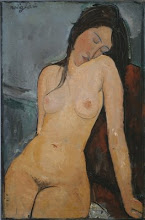
Female nude, 1916
De olho na panqueca
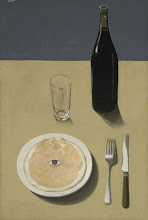
The portrait, Brussels, 1935
Vai um cafezinho?
