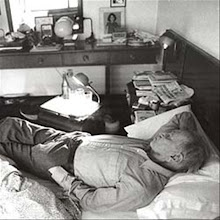
Barthes construes writing as an ideally complex form of consciousness: a way of being both passive and active, social and asocial, present and absent in one's own life. His idea of the writer's vocation excludes the sequestration that Flaubert thought inevitable, would appear to deny any conflict between the writer's necessary inwardness and the pleasures of worldliness. Gide supplied Barthes with the patrician model for the writer who is supple, multiple; never strident or vulgarly indignant; generous but also properly egotistical; incapable of being deeply influenced.


![[...]](https://blogger.googleusercontent.com/img/b/R29vZ2xl/AVvXsEjeNC2Kyxd34r2LuofHe9-vdXHeHwG3_2NhVmIOTlK2moU0Q4R7taMlS8iMmQgEl1-NdaRsPrLdREzfQZYKfUgjslwLZUZe67dAfFBREu-YRx6WGX-vAUt5eJT4_-lFwT4dGzGCQQ/s220/11798115_858304687558226_1857652538_n.jpg)